
Top Tips for Choosing a Siding Replacement Near Me
Replacing your home’s siding is a major investment that can improve both the appearance and value of your property. With so many options available, finding the right siding replacement near me can feel overwhelming. From material choices to cost considerations, understanding your options is key to making a confident decision.
Before diving into details, here are some key takeaways to keep in mind:
Key Takeaways
- Material choice matters – Different siding materials have unique benefits and drawbacks.
- Local climate affects performance – Consider materials that withstand your region’s weather conditions.
- Budget wisely – Factor in both installation costs and long-term maintenance.
- Check warranties and lifespan – A strong warranty can offer peace of mind for years.
- Hire experienced professionals – Skilled contractors ensure proper installation and durability.
- Curb appeal counts – Siding can dramatically impact the look and value of your home.
Understanding Your Siding Options
When looking for a siding replacement near me, it helps to know the common materials available. Each option has its unique qualities, durability, and maintenance requirements.
| Material | Pros | Cons | Typical Lifespan |
|---|---|---|---|
| Vinyl | Low maintenance, cost-effective, wide color options | Can crack in extreme cold, limited insulation | 20-40 years |
| Fiber Cement | Durable, fire-resistant, low maintenance | Higher cost, heavier, installation requires skill | 30-50 years |
| Wood | Natural look, highly customizable | Requires regular maintenance, susceptible to pests | 20-40 years |
| Metal (Aluminum or Steel) | Durable, resistant to pests and fire | Can dent, may need repainting | 40+ years |
| Engineered Wood | Aesthetic like real wood, resistant to rot | Can be costly, less durable than fiber cement | 25-40 years |
When choosing a material, consider both your home’s style and your long-term maintenance preferences. Vinyl may suit homeowners looking for easy upkeep, while fiber cement is ideal for durability in extreme climates.
Factors to Consider Before Hiring a Contractor
Finding a siding replacement near me is not just about material choice. The quality of installation is equally important. Here are key factors to evaluate before hiring a contractor:
Licensing and Insurance
Always confirm that the contractor is licensed and insured. This protects you from liability in case of accidents during installation.
Experience and References
Ask for references or examples of previous work. Experienced contractors understand local building codes and weather challenges, which can save you future repair costs.
Written Estimates
Get multiple written estimates for your project. Compare not only prices but also the scope of work, material brands, and installation timelines.
Warranty and Guarantees
Check both the manufacturer and contractor warranties. A solid warranty ensures coverage if siding materials fail or installation issues arise.
Local Reputation
Look for reviews online or ask neighbors about their experiences. Local contractors with strong reputations often provide more reliable service.
Cost Considerations for Siding Replacement
Budgeting is a critical part of any home improvement project. While siding cost varies depending on material and installation complexity, homeowners should plan for both upfront and long-term expenses.
Upfront Costs
- Material cost: Vinyl is typically the most affordable, while fiber cement and metal tend to be more expensive.
- Labor cost: Experienced contractors may charge more but often provide higher-quality installation.
Long-Term Costs
- Maintenance: Wood requires regular painting and sealing, while vinyl and fiber cement are low-maintenance.
- Repairs and replacements: Consider durability and expected lifespan when comparing options.
By balancing upfront affordability with long-term value, you can choose a siding option that meets your budget and home improvement goals.
Style and Curb Appeal
Siding significantly influences your home’s curb appeal. Consider the following when selecting a siding style:
- Color and Finish: Choose colors that complement your home’s roof, trim, and landscape. Some materials allow painting, while others are color-fixed.
- Texture and Patterns: Clapboard, shiplap, board-and-batten, and horizontal panels create different visual effects.
- Architectural Compatibility: Match siding style to your home’s architectural design for a cohesive look.
Remember, siding is one of the first things people notice about your home. A visually appealing choice can boost your property value and make your house stand out.
Energy Efficiency and Insulation
Modern siding can help improve energy efficiency. Here’s what to consider:
- Insulated siding: Some vinyl and fiber cement siding come with built-in insulation to reduce heating and cooling costs.
- Proper installation: Even the best siding will not perform well if it is installed incorrectly. Ensure your contractor follows manufacturer guidelines.
- Energy rebates: Check for local incentives for energy-efficient home upgrades.
Investing in energy-efficient siding can pay off over time through reduced utility bills and increased home comfort.
Common Mistakes to Avoid
Even with the best planning, homeowners sometimes make mistakes that can impact the outcome of their siding project. Avoid these common pitfalls:
- Choosing price over quality: Extremely low-cost options may result in repairs sooner than expected.
- Ignoring contractor credentials: Unlicensed or inexperienced installers can lead to problems.
- Skipping maintenance planning: Some materials, like wood, require ongoing attention.
- Not considering climate: Material durability varies based on weather conditions.
Being aware of these mistakes helps you make informed decisions and protects your investment.
DIY vs Professional Installation
When it comes to siding replacement, one of the biggest decisions homeowners face is whether to tackle the project themselves or hire a professional contractor. Both approaches have advantages and drawbacks, and understanding them can help you make the best choice for your home, budget, and long-term satisfaction.
DIY Installation
Some homeowners are tempted to install siding themselves to save on labor costs. With certain materials like vinyl or engineered wood, DIY installation is possible, especially for smaller homes or partial projects.
Pros of DIY Siding Installation:
- Cost Savings: You can save on labor fees, which often account for 30% to 50% of the total project cost.
- Control Over the Project: You manage the timeline, work schedule, and every step of the installation.
- Satisfaction of Completing a Project Yourself: For handy homeowners, the sense of accomplishment can be rewarding.
Cons of DIY Siding Installation:
- Skill and Experience Required: Proper siding installation requires precision. Mistakes can lead to leaks, warping, or reduced lifespan of the material.
- Time-Consuming: Even with help, installation can take significantly longer than professionals.
- Warranty Risks: Some manufacturer warranties require professional installation. DIY work may void coverage.
- Tool and Equipment Costs: Certain siding materials require specialized tools that can be expensive to buy or rent.
DIY installation may be suitable for small-scale projects or homeowners with prior experience. However, it is important to carefully research installation guidelines, watch tutorials, and follow manufacturer instructions to avoid costly mistakes.
Professional Installation
Hiring a professional siding contractor is often the preferred choice for most homeowners, especially for larger projects or higher-end materials.
Pros of Professional Siding Installation:
- Expertise and Experience: Professionals understand the nuances of siding materials and local climate considerations. Proper installation reduces the risk of damage and future repairs.
- Time Efficiency: Contractors have teams and equipment that allow projects to be completed much faster than DIY efforts.
- Warranty and Insurance Coverage: Licensed contractors often provide workmanship guarantees, and manufacturer warranties remain valid with professional installation.
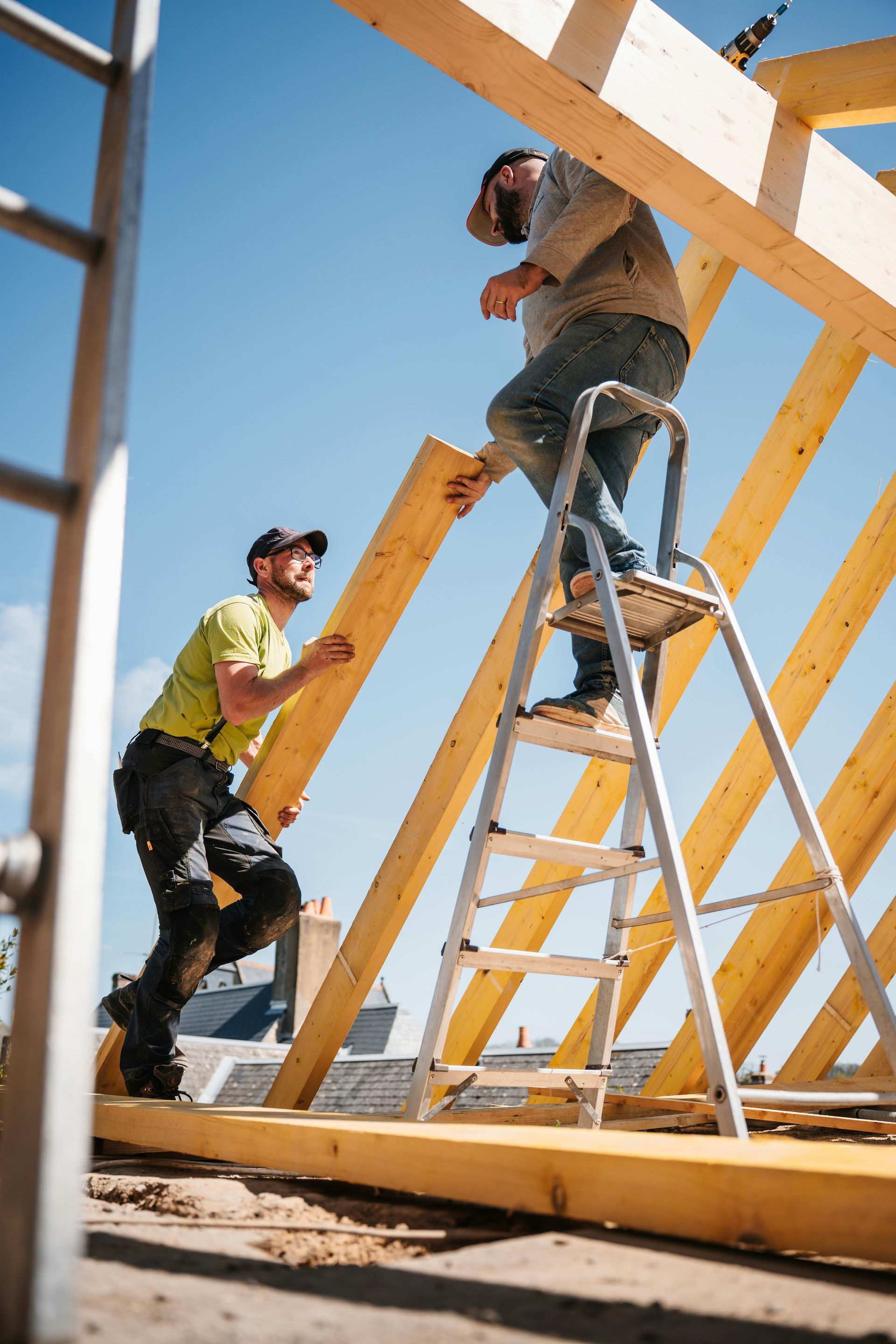
- Safety: Siding replacement can involve working on ladders and handling heavy materials. Professionals follow safety protocols to prevent accidents.
Cons of Professional Siding Installation:
- Higher Upfront Costs: Labor fees increase the total project cost. However, quality installation often reduces long-term maintenance expenses.
- Less Direct Control: Homeowners may need to rely on the contractor’s schedule and workflow.
Making the Right Choice
Deciding between DIY and professional siding installation depends on several factors:
- Material Complexity: Vinyl siding may be manageable for DIY, while fiber cement or metal often requires professional expertise.
- Project Size: Large homes or multi-story buildings typically benefit from professional installation.
- Experience Level: Consider your skills, tools, and available time. Mistakes can be costly to correct.
- Warranty Requirements: Check the siding manufacturer’s installation guidelines. Professional installation may be required to maintain coverage.
Ultimately, hiring a professional ensures a high-quality finish, long-lasting durability, and peace of mind, while DIY may be suitable for those confident in their skills and looking to save on labor costs.
Frequently Asked Questions
How long does siding replacement usually take?
The timeline depends on home size, material, and contractor experience. Most projects take 1-3 weeks.
Can I replace siding myself?
While DIY is possible for small homes and simpler materials like vinyl, professional installation is recommended for quality, durability, and warranty protection.
How much does siding replacement cost per square foot?
Costs vary widely. Vinyl may start around $5-$10 per square foot installed, while fiber cement and metal can range $10-$15 or more.
Does siding increase home value?
Yes. High-quality siding enhances curb appeal and can increase resale value, especially if it improves energy efficiency and requires low maintenance.
How do I choose the right siding color?
Consider your roof, trim, landscape, and personal preference. Many manufacturers offer visualizer tools to preview color combinations.
Final Thoughts
Choosing the right
siding replacement near me requires careful consideration of material, cost, contractor expertise, and aesthetics. By doing research and consulting experienced professionals, homeowners can ensure a siding upgrade that enhances both the beauty and value of their home. Prioritizing quality materials and
proper installation will provide long-lasting results and peace of mind.
Ready to upgrade your home with durable, stylish siding? Connect with a trusted local siding replacement contractor today to schedule a consultation and discover the best options for your home and budget.
Reference:
https://www.jameshardie.com/blog/siding-project-planning/tips-for-choosing-a-contractor/