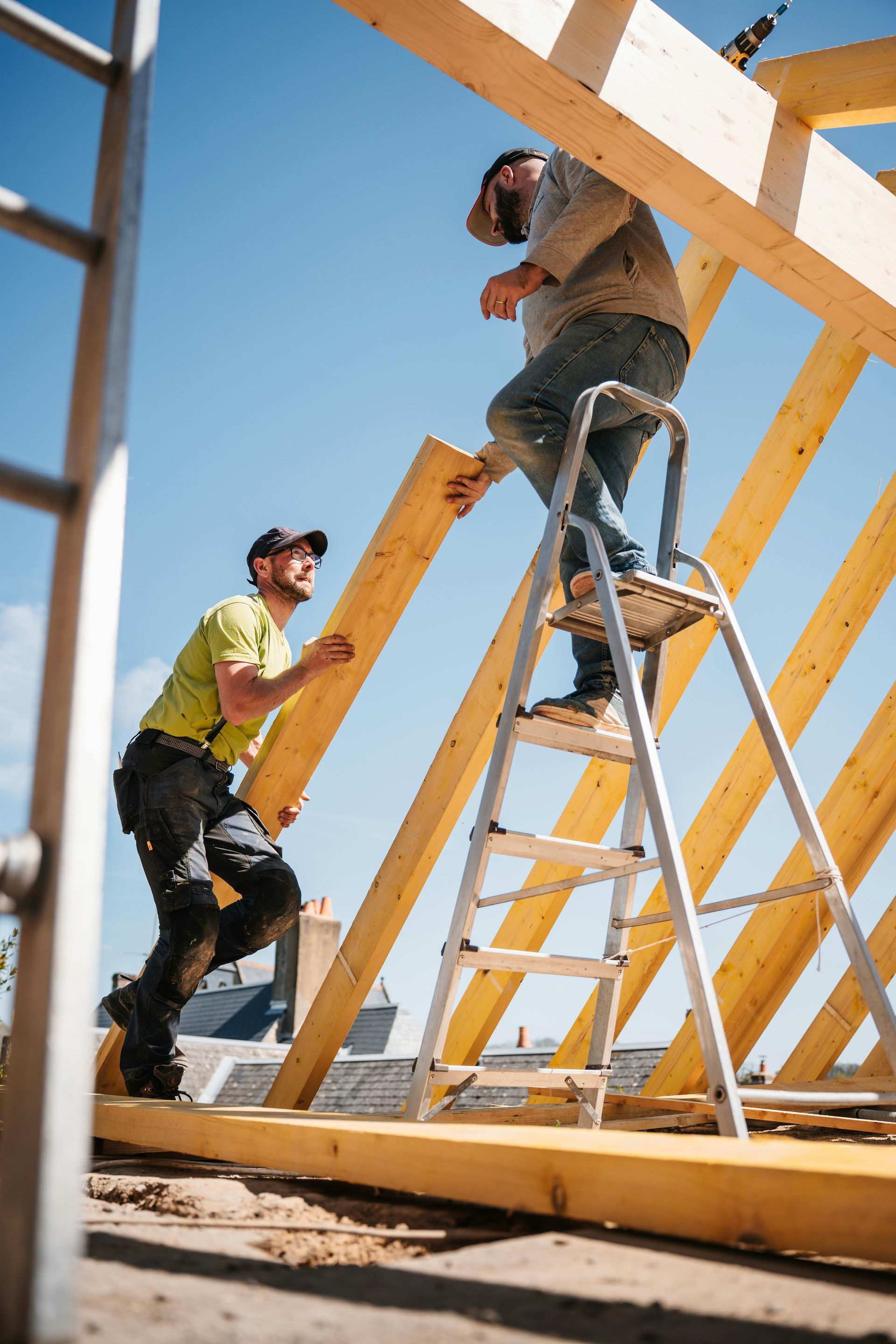

Top Benefits of Hiring Rain Gutter Installation Companies Near Me
A properly installed gutter system is one of the more cost-effective ways to protect your home from water damage. If you have been searching for rain gutter installation companies near me, you are probably already aware that gutters matter, However, the case for hiring a professional rather than going the DIY route is worth laying out clearly. This article covers what professional installation actually involves, how gutters connect to the rest of your home's exterior, and what to look for when choosing a gutter contractor near me.
Key Takeaways
- Professional gutter installers have the tools and training to get pitch, sealing, and hanger spacing right the first time.
- Gutters are part of a larger exterior system that includes your roof, siding, fascia, and downspouts. Problems in one area affect the others.
- Proper downspout placement directs water away from the foundation and helps prevent basement moisture issues.
- Bundling gutters with siding and exterior services under one contractor reduces coordination and can reduce overall cost.
- Local contractors understand regional weather conditions and can size your gutter system to handle local rainfall volume.
- Checking for licensing, insurance, and a no-subcontracting policy protects you before work begins.
Why Gutter Installation Is Not a DIY Project
Gutter installation looks straightforward from the ground, but doing it correctly requires more precision than most homeowners expect. The materials themselves are not expensive, but the knowledge and execution behind a properly functioning system are where the value lies.
There are a few specific reasons why professional installation tends to produce better results:
- Pitch calculation: Gutters need to slope toward the downspout at a consistent rate: generally around a quarter inch of drop per ten feet of run. Too little slope causes water to sit and eventually overflow; too much can erode the ground at the downspout discharge point.
- Seamless gutter fabrication: Many professional gutter contractors carry portable seamless gutter machines that fabricate gutters on-site to the exact length of your roofline. Seamless gutters have no joints along the run, which removes the most common source of leaks in sectional systems.
- Hanger spacing and fastener selection: Gutters need to be attached at intervals close enough to prevent sagging under the weight of water and debris. Contractors also select fasteners suited to your fascia material, which affects how well the system holds over time.
- Warranty and code compliance: Some material manufacturers require professional installation for their warranties to apply. A licensed contractor will also know whether your municipality has any relevant requirements.
How Gutters, Siding, and Roofing Work Together
Gutters are one part of a system. Your roof, soffits, fascia, siding, and downspouts all work together to move water off the house and away from the structure. When any one of these components fails, the others are affected.
What Each Component Does
| Component | Function |
|---|---|
| Roof | Sheds water off the structure |
| Gutters | Collects roof runoff and channels it to downspouts |
| Downspouts | Carries water from the gutters to ground level |
| Siding | Protects the wall assembly from moisture intrusion |
| Fascia/Soffit | Supports gutter hangers; protects the roof edge and eaves |
Homeowners looking for siding and gutters near me benefit from working with siding and gutter contractors near me who can assess all of these components together. A few examples of how failures in one area affect others:
- Gutters that overflow repeatedly can push water behind the siding, leading to rot in the wall sheathing or framing over time.
- Damaged siding near the roofline can let moisture into areas the gutters are supposed to protect.
- Loose or corroded fascia boards compromise gutter hanger attachment, causing gutters to pull away from the house.
In areas with heavy seasonal rainfall or freezing temperatures, like southwestern Pennsylvania, a contractor familiar with local conditions can also recommend appropriate gutter widths, materials, and downspout sizing for the volume of water your roof typically sheds during a storm.
Foundation and Drainage: Where Gutters Do Most of Their Work
The most important job a gutter system does is directing water away from the foundation. When gutters are missing or not functioning correctly, water falls off the roof edge and collects along the base of the house.
Saturated soil along a foundation wall creates hydrostatic pressure, which is a known contributor to basement moisture problems and, in some cases, foundation wall movement. Proper gutter installation combined with correct downspout placement is one of the standard measures used to manage this risk.
A few things a professional will evaluate that a DIYer may overlook:
- Downspout discharge location: Downspouts should empty at least four to six feet from the foundation, ideally onto a slope that carries water further from the house.
- Number of downspouts: Larger roof surfaces or roofs with complex geometry may need more downspout outlets than a homeowner would expect based on a basic layout.
- Splash blocks and extensions: These direct water further from the foundation and prevent soil erosion directly below the downspout outlet.
- Grading around the house: A contractor can identify if the ground slopes toward the foundation and flag whether drainage improvements are needed alongside the gutter work.
It is also worth asking about gutter protection options during installation. Mesh or micro-mesh gutter covers can reduce how often gutters need to be cleared of leaves and debris, which is relevant for homes surrounded by trees. A contractor who has installed several types can give you a practical comparison based on local conditions rather than manufacturer claims.
What to Look for in a Local Gutter Contractor
When you search for "gutters install near me," you will come across a mix of national companies, regional contractors, and smaller local operators. Company size matters less than a few specific factors worth checking before you hire:
- Licensing and insurance: Confirm the contractor holds a current license in your state and carries both general liability insurance and workers' compensation. This protects you from liability if a worker is injured on your property.
- In-house crews: Ask whether the company uses its own employees or subcontracts the work. Companies with in-house crews tend to deliver more consistent quality because the same team is accountable on every job.
- Written estimates: A reputable contractor provides a detailed written estimate before work begins, covering materials, labor, and any warranty terms.
- Local track record: A contractor who has been working in your area for several years will have local references you can check and a reputation in the community.
- Broader exterior experience: Contractors who also handle roof maintenance services and siding understand how gutters fit into the larger exterior picture, which helps them catch related issues during the installation visit.
Before signing anything, ask a few direct questions: who will be on the job, what materials are being used, and how defects or callbacks are handled. The answers will tell you a lot about how the company operates day to day.
The Long-Term Case for Professional Installation
The upfront cost of professional gutter installation is higher than a DIY approach. But that gap narrows when you factor in what it costs to correct installation errors or repair water damage from a failed system.
Gutters that are installed correctly and maintained tend to deliver value in these specific ways:
- Require fewer repairs over time. Seamless gutters with properly spaced hangers and well-sealed end caps hold up better than sectional systems assembled from standard store-bought parts.
- Protect other exterior components. Fascia boards and soffits that stay dry last longer. Siding that is not repeatedly exposed to overflow and splashback stays in better condition.
- Support roof longevity. Water that sits in sagging gutters can back up under shingles or damage the fascia at the attachment point, creating problems beyond the gutter itself. Homeowners also considering a new roof installation often address gutters at the same time to avoid having to redo work later.
- Contribute to property condition at resale. During a home inspection, visible gutter problems like sagging, detachment, or rust are frequently called out and can factor into price negotiations.
- Avoid compounding damage. Water that reaches the fascia, soffit, or wall framing because of failed gutters is not always obvious right away. By the time the problem shows up indoors, the repair cost is typically much higher than a proper gutter installation would have been.
Frequently Asked Questions
What is the difference between seamless and sectional gutters?
Seamless gutters are fabricated on-site in one continuous piece to match the exact length of your roofline, which eliminates the mid-run joints where leaks most often develop. Sectional gutters come in pre-cut lengths joined together during installation, which works for some repairs but creates more potential leak points over the life of the system.
How do I know if my gutters need to be replaced rather than repaired?
Gutters that are pulling away from the fascia, visibly sagging between hangers, or showing widespread rust or cracking are typically candidates for full replacement. Isolated leaks at joints or end caps can often be repaired, but a contractor can assess whether repair or replacement makes more sense based on the overall condition.
Can gutters be installed in cold weather?
Most professional gutter contractors can work in cool temperatures as long as conditions are dry and safe. Frozen fascia boards or icy working surfaces can create complications, so mild, dry weather is generally preferred. Your contractor will advise based on the forecast and local site conditions.
Do I need a permit to install gutters?
Gutter installation typically does not require a permit in most areas, but requirements vary by municipality. A licensed local contractor will know what applies in your area and can confirm whether anything is needed before work begins.
How does downspout placement affect my foundation?
Downspouts that discharge too close to the foundation allow water to collect near the base of the house, which can lead to soil saturation and basement moisture problems. Most contractors recommend discharging water at least four to six feet from the foundation using extensions or splash blocks as needed.
Final Thoughts
Hiring professional rain gutter installation companies near me comes down to getting a system that functions correctly from day one and holds up over time. Done right, gutters protect your foundation, siding, fascia, and roof, that is, the whole exterior. If you are also dealing with aging siding or roofing, working with a local exterior contractor who can assess all of those systems together is a practical way to handle everything in one project.
Need a professionally installed gutter system? Our experienced, in-house crews serve homeowners across the area with seamless gutter installation, siding, and full exterior services, all backed by a commitment to quality work and lasting results.
Reference:
https://www.sciencedirect.com/topics/biochemistry-genetics-and-molecular-biology/hydrostatic-pressure